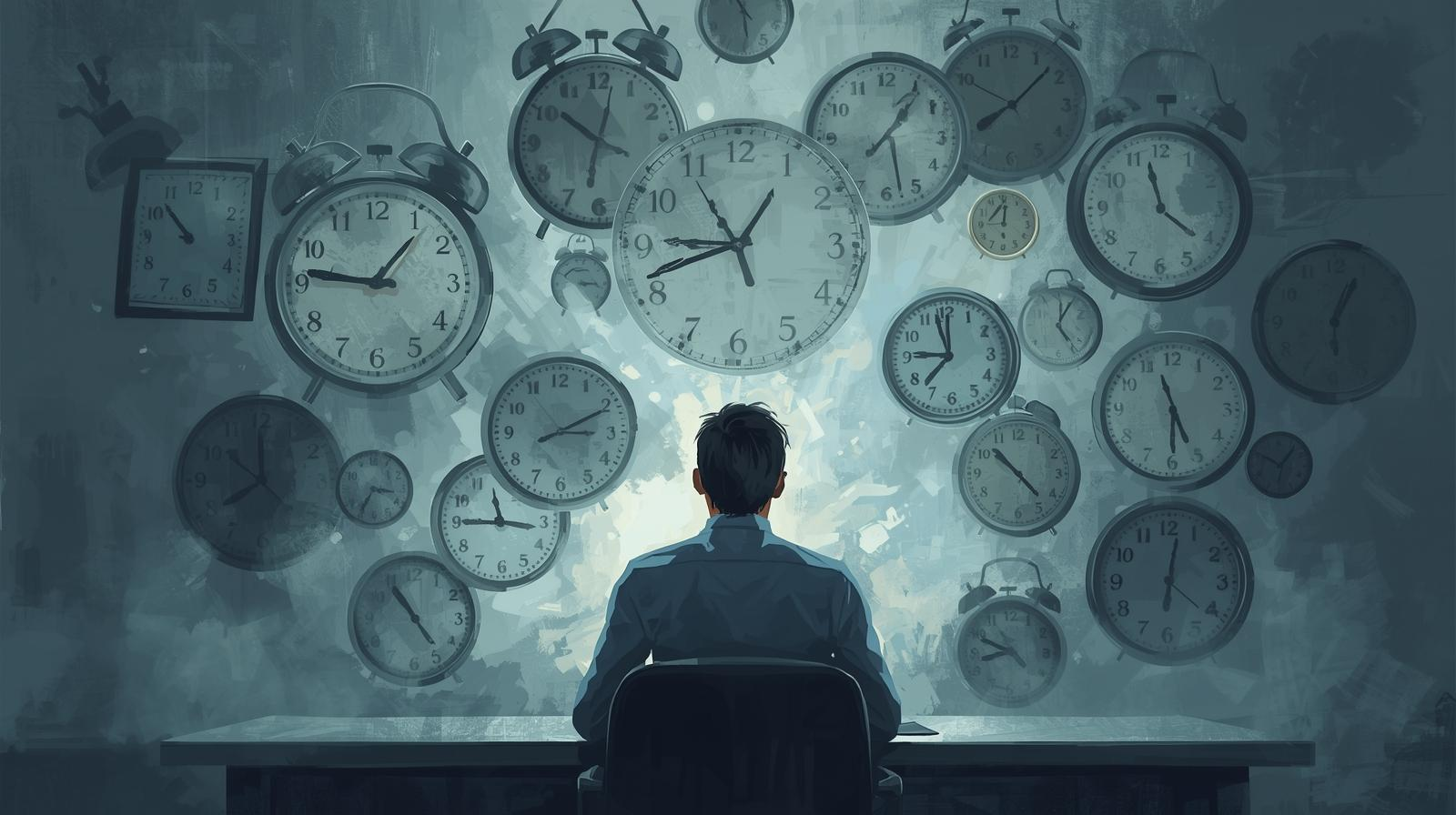

Many people have experienced time passing quickly during an engaging activity. An hour can feel like a few minutes when watching a film, reading a book, or scrolling through a phone. The same effect can happen during casino, lottery, or digital game play.
What feels like a short session can sometimes last longer than expected. Not because anything unusual has happened, but because attention changes how time is perceived.
Understanding time perception helps explain why it’s easy to lose track of time during play and why this experience is both common and normal.




How Attention Shapes Time Perception
Time is not only measured by clocks. It is also shaped by attention.
When people are focused, the brain pays less attention to tracking minutes and more attention to the activity itself. The stronger the concentration, the less noticeable the passing of time becomes.
This happens in many everyday situations. Someone absorbed in a conversation may not notice how long they’ve been talking. A person working on a task may suddenly realise the afternoon has gone by. The sense of time compresses because attention is directed elsewhere.
Play often encourages this same type of focus. Results appear quickly, rounds move smoothly, and there is always something happening on the screen. With fewer pauses, there are fewer natural reminders to check the time.
As a result, the experience can feel shorter than it actually is.
This isn’t a flaw in judgement. It’s simply how the mind works when it is engaged.
Why Digital Environments Feel Continuous
Digital activities tend to reduce the usual signals that mark time.
In daily life, time is often structured by cues: commuting, meals, meetings, or changes in light. These transitions create natural stopping points and help people notice how long something has lasted.
Online environments often remove or soften those cues.
Rounds follow one another without interruption. There may be no clear beginning or end to a session. Visuals and sounds remain consistent. The experience feels continuous rather than segmented.
Without these boundaries, it becomes harder to sense duration.
For example, five short sessions in a row may feel like one longer moment. Because each individual round is brief, the total time spent may not feel substantial.
This effect is not unique to gaming. Streaming shows, social media feeds, and mobile apps work in similar ways. When activities are designed to flow smoothly, time can feel less visible.
Understanding this design aspect helps explain why time sometimes seems to pass unnoticed.
How Routine Adds to the Effect
Routine can also play a role in time feeling less noticeable.
When something becomes familiar, it requires less mental effort. Familiar behaviours tend to run in the background, almost automatically. Because they feel ordinary, they attract less attention.
For example, a short visit to an app during a lunch break or in the evening may feel like a small part of the day. Repeating this pattern regularly can make it feel even smaller, even though the time still adds up.
The more integrated an activity becomes within daily life, the less distinct it can feel.
This is simply how habits function. Repetition reduces the sense of novelty, and with less novelty, there are fewer mental markers to measure time against.
As a result, sessions may feel shorter or less defined than they actually are.
Seeing Time More Clearly
Recognising how time perception works can make the experience easier to understand.
Losing track of time doesn’t necessarily mean something is wrong or out of control. Often, it reflects a normal response to focus, design, and routine working together.
Attention narrows.
The environment feels continuous.
Familiar behaviours run automatically.
Together, these factors make time feel compressed.
When viewed this way, the experience becomes less mysterious. It’s not about willpower or awareness failing. It’s simply the mind prioritising engagement over clock-watching.
Understanding this can provide context for why short sessions sometimes feel longer in hindsight, or why a planned break arrives sooner than expected.
Key Takeaways
- Time perception changes when attention is focused
- Engaging activities naturally make time feel shorter
- Digital environments often lack clear stopping cues
- Continuous design can blur session boundaries
- Routine behaviours can feel smaller than they are
- Losing track of time is a common human experience, not a personal flaw
Seeing time through this lens helps explain why sessions can feel brief even when they last longer. It places the experience within normal patterns of attention and habit rather than treating it as something unusual.