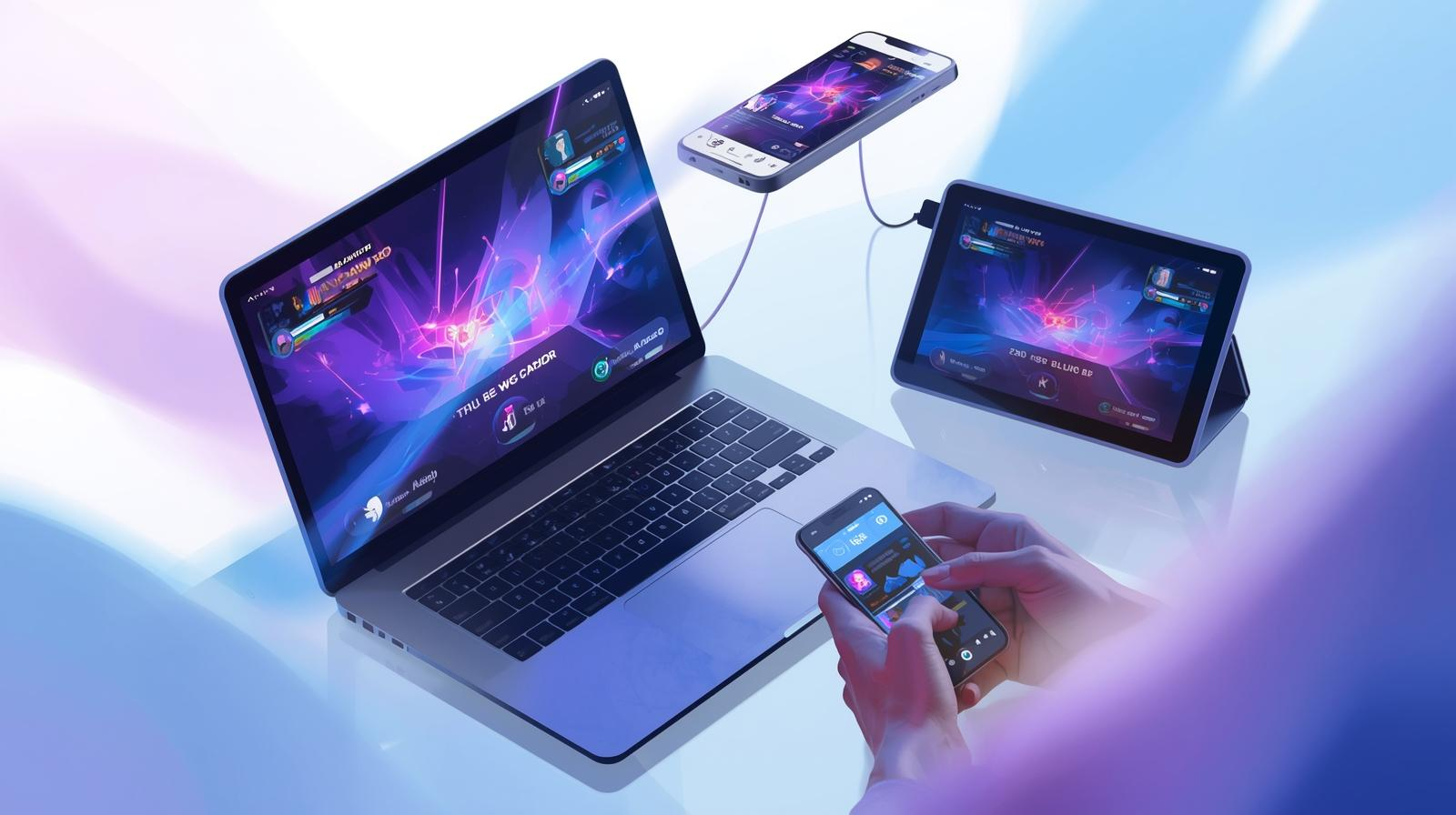

Play today rarely happens in just one place. Casino games, lotteries, and digital activities are often available across multiple platforms – mobile apps, websites, and different devices – all accessible within moments.
This flexibility makes participation convenient and familiar. A short session might happen at home on a laptop, later on a phone during a commute, and again on a tablet in the evening. Each interaction can feel separate and small.
Over time, however, using multiple platforms can shape the overall experience in ways that aren’t always obvious. Understanding how this works can help bring everyday play into clearer perspective.




How Multiple Platforms Change the Experience
In the past, play often took place in a single, defined setting. There were clearer beginnings and endings. Today, digital access means activities can move easily between devices and environments.
This creates continuity.
Instead of one distinct session, play may be spread across several short moments during the day. Each moment feels brief, but together they form a broader pattern. Because the activity is fragmented, it can feel lighter or less noticeable than if it happened all at once.
Switching platforms can also reset perception. Opening a different device may feel like starting fresh, even though it’s part of the same overall engagement. The separation between sessions feels stronger than it actually is.
The result isn’t necessarily more or less play – just a different structure. The experience becomes distributed rather than concentrated.
Why Small Sessions Add Up Quietly
Short, frequent interactions tend to blend into daily life.
A few minutes while waiting in line. A quick check during a break. A short session in the evening. Individually, these moments may feel too minor to register. There’s no strong sense of duration or commitment.
This is a common feature of many digital habits, not only gaming. News, social media, and streaming platforms operate in similar ways. When access is immediate and portable, activities fit around daily routines rather than standing apart from them.
Because of this, the total time or frequency across multiple platforms can be less visible. The mind remembers each session as small, not as a combined whole.
Nothing unusual is happening here — it’s simply how attention and memory work. Fragmented experiences often feel smaller than consolidated ones, even when the overall involvement is similar.
Understanding this can explain why play across several devices may feel occasional, even if it happens regularly.
Seeing the Bigger Picture Across Devices
Using multiple platforms also means there are fewer natural boundaries.
On a single device, a session might end when the computer is closed or the location changes. With several devices available, those stopping points can soften. Play can continue from one place to another without much interruption.
This fluidity can make the experience feel seamless, but it can also make it harder to notice overall patterns. The activity becomes part of the background of the day rather than a clearly defined event.
Looking at play across platforms as one combined experience, rather than separate moments, can offer a more accurate view of how it fits into everyday life. Instead of thinking in terms of individual sessions, it can be helpful to consider the broader rhythm created by all devices together.
This perspective isn’t about judgement or restriction. It’s simply about understanding how modern access changes the shape of engagement.
In Summary
- Multiple platforms make play more accessible and portable
- Sessions often become shorter and more frequent
- Fragmented moments can feel smaller than they are collectively
- Switching devices can create the impression of separate sessions
- Viewing activity across all platforms together provides clearer context
Seen as a whole, managing play across multiple platforms is less about individual moments and more about recognising the overall pattern that forms when those moments are combined.