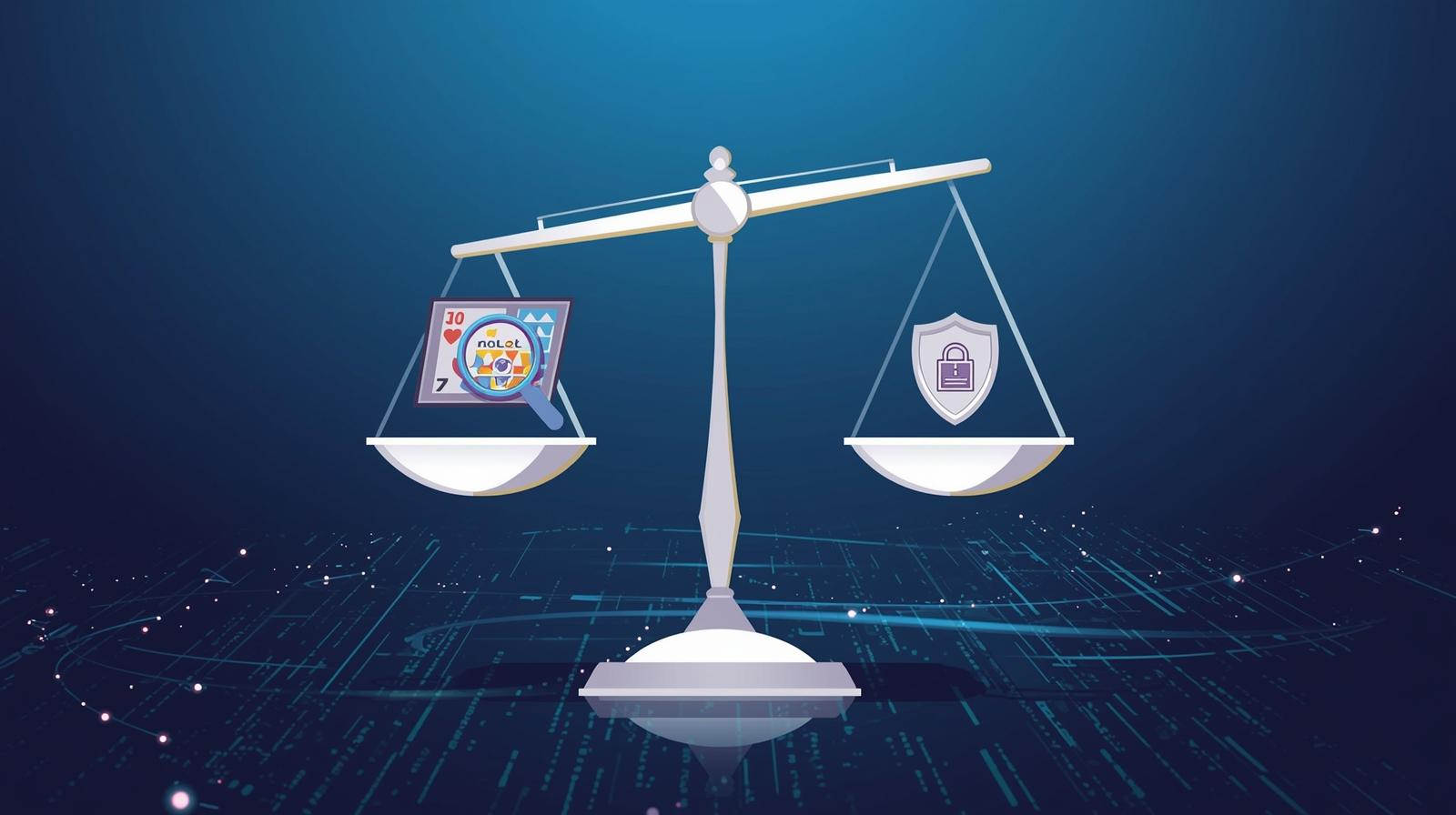
However, licensed and unlicensed platforms operate under very different rules and responsibilities.
Understanding these differences can clarify what protections exist behind the scenes.
What Does “Licensed” Mean?
A licensed platform operates under the oversight of a recognised regulator.
This typically involves:
- compliance checks
- fairness testing
- consumer protection rules
- identity verification
- dispute procedures
Licensing focuses on accountability and standards.
It establishes clear expectations for how services must operate.
What Does “Unlicensed” Mean?
An unlicensed platform operates without recognised regulatory oversight.
This generally means:
- fewer formal requirements
- limited accountability
- unclear consumer protections
While the user experience may look similar, the framework behind it is different.
Responsibilities may be informal or absent.
Side-by-Side Overview
| Area | Licensed | Unlicensed |
|---|---|---|
| Oversight | Regulator supervision | No formal oversight |
| Fairness testing | Required | Not guaranteed |
| Consumer rights | Defined | Often unclear |
| Complaint process | Structured | Limited or none |
| Safeguards | Mandatory | Inconsistent |
These differences relate to systems rather than gameplay mechanics.
Why Regulation Exists
Regulation is designed to protect players at a structural level.
It typically covers:
- transparent terms
- secure payments
- age verification
- protection tools
- access to support
The aim is consistency and accountability.
Without oversight, these safeguards may vary widely.
Perception vs Framework
Because websites can appear similar, differences may not be obvious.
Graphics, games, and layouts can look alike.
The distinction lies mostly in processes behind the scenes.
It’s less about appearance and more about governance.
Understanding Risk in Context
When formal protections are absent, responsibilities often shift to the individual.
Disputes may be harder to resolve. Standards may differ. Transparency may be reduced.
This doesn’t guarantee negative outcomes, but it changes the level of structured protection.
Recognising this difference supports informed decision-making.
Understanding the framework helps clarify what support exists.
Behind every platform is a system of rules – or sometimes the absence of them.
Knowing how those systems differ can make digital spaces feel more understandable, allowing choices to be guided by awareness rather than appearance.