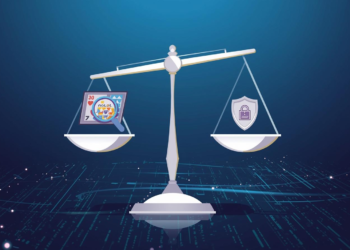

Most online casino, lottery, and gaming activity takes place within regulated environments. These platforms operate under licences, follow defined standards, and are subject to oversight. For many players, this structure is largely invisible, working quietly in the background.
Alongside regulated options, however, there is another part of the digital landscape often described as the black market.
The term can sound dramatic, but in simple terms it refers to platforms that operate outside recognised regulation and oversight. Understanding what this means — and how these environments differ structurally — helps explain why regulation and consumer protections matter in everyday play.



What the Black Market Means in Digital Play
In iGaming, the black market generally describes websites or services that offer gambling products without a valid licence from a recognised regulatory authority.
These platforms may still look similar to regulated ones. They can have familiar layouts, comparable games, and professional designs. From the outside, the differences aren’t always obvious.
The distinction lies in how they operate behind the scenes.
Without regulation, there are typically:
- no mandatory standards to follow
- no independent audits or testing requirements
- no formal consumer protection framework
- no external body monitoring compliance
This doesn’t necessarily mean every unlicensed platform operates unfairly. Rather, it means there is no structured system requiring them to meet specific protections or demonstrate accountability.
The absence of oversight is what defines the black market, not the appearance of the site itself.
How Regulation Changes the Environment
To understand the black market clearly, it helps to contrast it with regulated environments.
Licensed platforms are usually required to meet standards around fairness, payments, identity checks, and access to protective tools. They may undergo testing or audits. They must follow defined processes for complaints and disputes. These obligations are not optional — they are conditions of operating.
This creates a shared framework.
Players know that certain safeguards exist because they are mandated and monitored. Expectations are documented and responsibilities are assigned.
In black market environments, this framework is typically absent.
Instead of formal rules, there may only be internal policies set by the operator. Without independent verification, there is less visibility into how systems work or how decisions are made.
The key difference is structure.
Regulated markets build protections into the system. Unregulated markets rely largely on trust.
Why the Differences Matter in Practice
When oversight and accountability are missing, several practical areas can feel less certain.
For example, there may be fewer guarantees around:
- how outcomes are tested for fairness
- how customer funds are handled
- how personal information is protected
- how disputes are resolved
In regulated environments, these processes are typically defined and externally monitored. If something goes wrong, there are formal routes for review or complaint. There is a regulator responsible for enforcing standards.
Without that framework, responsibilities can become less clear.
Questions such as “who reviews this?” or “what happens if there’s a disagreement?” may not have structured answers. The experience may depend more heavily on the operator’s own practices rather than on established requirements.
Again, this doesn’t predict any specific outcome. It simply reflects the absence of formal protections.
Understanding this difference helps explain why the environment itself matters, not just the games offered.
Why Black Market Platforms Exist
The growth of digital services makes it relatively easy for websites to operate across borders. Not all platforms seek licences in every region. Some may choose to operate without regulation entirely.
This can happen for various reasons, including cost, complexity, or differing legal standards between countries.
For players, however, these background factors are rarely visible. What’s visible is simply a website offering similar products.
Because the front-end experience can look familiar, the lack of regulation may not be immediately apparent. This is why understanding the concept of the black market is useful. It highlights that two platforms can look alike while operating under very different conditions.
The difference is structural rather than visual.
In Summary
- The black market refers to unlicensed or unregulated gaming platforms
- These sites operate without formal oversight or mandatory standards
- Protections common in regulated environments may not be guaranteed
- Accountability and dispute processes may be less defined
- Appearance alone doesn’t reveal whether a platform is regulated
- The key distinction is the presence or absence of external safeguards
Seen in this context, the black market is less about labels and more about structure. Regulation introduces clear standards, oversight, and accountability. Without those elements, the environment changes – not necessarily in how it looks, but in how protections are built into the system.