
When people take part in casino games, lotteries, or other games of chance, the experience can feel like a blend of different forces. Some outcomes seem random. Some parts feel structured or guided. Other moments feel like personal decisions.
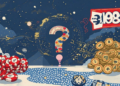
These elements — chance, design, and choice — often overlap so smoothly that it’s easy to treat them as the same thing. Yet they play very different roles.
Understanding how each one works separately can make the overall experience of play clearer and easier to interpret.



Chance: Outcomes You Don’t Control
Chance sits at the foundation of most regulated gaming products.
In simple terms, chance means that outcomes are determined randomly. Results aren’t influenced by personal skill, past outcomes, or timing. Each round begins from the same starting point.
Whether it’s a lottery draw, a spin, or a digital card shuffle, the result is generated independently. One outcome doesn’t build on the last.
This independence can sometimes feel counterintuitive. A series of losses may feel like it should lead to a win. A repeated number might feel intentional. But with chance-based systems, patterns don’t carry forward.
Every event stands alone.
Chance doesn’t have memory or direction. It doesn’t “even things out” in the moment or respond to what just happened. Over time, results follow probabilities, but in the short term they can appear uneven or surprising.
Because of this, chance explains the result itself — the specific numbers, symbols, or combinations that appear — but not how the experience feels or how someone interacts with it.
That’s where design and choice come in.
Design: How the Experience Is Shaped
While chance determines outcomes, design shapes everything around those outcomes.
Design includes the visual layout, sounds, pacing, colours, and flow of a game. It also includes how quickly rounds occur, how results are presented, and how wins or near wins are displayed.
These elements don’t change the mathematics behind the scenes. Instead, they influence perception and engagement.
For example, celebrations around wins may be more noticeable than routine results. Near matches might be highlighted visually. Rounds may move quickly with few natural stopping points. Menus may be simple and continuous.
All of this creates a smoother, more immersive experience.
It’s similar to the difference between reading numbers on a spreadsheet and watching them appear on a screen with sound and animation. The information is the same, but the feeling is different.
Design affects how play feels, not how outcomes are generated.
Understanding this distinction can help explain why certain moments seem more significant or memorable even though the underlying result was simply another random event.
Chance decides what happens.
Design influences how it looks and feels.
Choice: Where Personal Decisions Fit In
Alongside chance and design sits a third element: choice.
Choice relates to the decisions a person makes before and during play. This might include selecting a game, choosing numbers, deciding when to start or stop, or setting preferences within an account.
These decisions shape the personal experience, but they usually don’t influence the probability of outcomes.
For instance, picking certain numbers in a lottery doesn’t make them more likely to appear. Choosing one spin over another doesn’t change the randomness of the result. The mechanics remain the same regardless of the selection.
However, choices still matter in a different way.
They affect:
- how often someone plays
- how long sessions last
- which types of games feel appealing
- how the activity fits into everyday life
So while choice doesn’t alter chance, it does influence exposure and experience.
In this sense, choice shapes the journey, not the outcome.
Recognising this difference can make it easier to separate what is personal from what is purely random.
How These Three Elements Work Together
Most gaming experiences are a combination of all three forces operating at once.
Chance produces the results.
Design presents those results in an engaging way.
Choice determines how someone interacts with the environment.
Because they happen simultaneously, it can sometimes feel like one affects the other. A well-timed win might feel connected to a decision. A visual near miss might feel like progress. A streak might feel influenced by behaviour.
Yet under the surface, the roles remain separate.
Keeping these distinctions clear can help make the overall system easier to understand. It reduces the sense that outcomes are personal or responsive and places them back in the context of structured randomness.
Key Takeaways
- Chance determines outcomes and operates independently each round
- Design shapes how the experience looks and feels
- Choice affects personal involvement but usually not probabilities
- These elements work together but serve different functions
- Separating them helps clarify what is random, what is presentation, and what is personal decision
Seeing play through this lens can make the experience feel more transparent — not a single force at work, but three distinct components operating side by side.