
In many regulated environments, consumer protections operate quietly in the background.
Verification, fairness checks, dispute processes, and safeguards often go unnoticed until needed.
When these protections are absent, the structure around play changes.



Understanding what protections do — and what happens without them — provides useful context.
What Are Consumer Protections?
Consumer protections are system-level safeguards designed to support fairness, transparency, and accountability.
They commonly include:
- identity checks
- secure transactions
- tested game integrity
- clear terms
- formal complaint channels
They exist before any issue arises.
Their Role Behind the Scenes
Protections typically function invisibly.
For example:
- deposits process securely
- outcomes are independently tested
- disputes have formal pathways
Because they work quietly, their presence may not always be obvious.
They are most noticeable when something goes wrong.
When Protections Are Missing
Without formal safeguards, several areas may change:
| Area | With protections | Without protections |
|---|---|---|
| Disputes | Clear process | Uncertain outcome |
| Fairness checks | Verified | Not guaranteed |
| Payments | Structured | Variable |
| Accountability | Defined | Limited |
This doesn’t predict specific experiences, but it affects the level of support available.
Why Oversight Matters
Oversight introduces responsibility.
Licensed operators must follow defined standards. Independent bodies monitor compliance.
Without oversight, expectations may rely solely on internal policies.
The difference is structural rather than visible.
Risk in Context
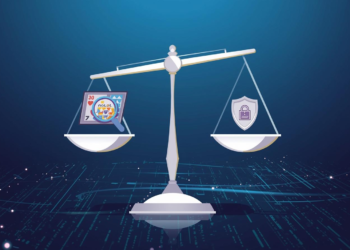
Consumer protections are similar to safety standards in many industries.
They don’t prevent every problem, but they reduce uncertainty and provide recourse.
Their absence doesn’t automatically create issues — it simply removes established safeguards.
Recognising this helps explain why regulation focuses heavily on accountability.
Key Takeaways
Protections are quiet systems that support fairness and clarity.
- They provide structure and recourse
- They operate mostly in the background
- Without them, responsibilities become less defined
Understanding this context helps make digital environments easier to interpret.
Protections often feel invisible because they’re designed to work quietly.
Knowing they exist – and understanding what changes when they don’t – can make the broader landscape of online play feel clearer, steadier, and easier to navigate.